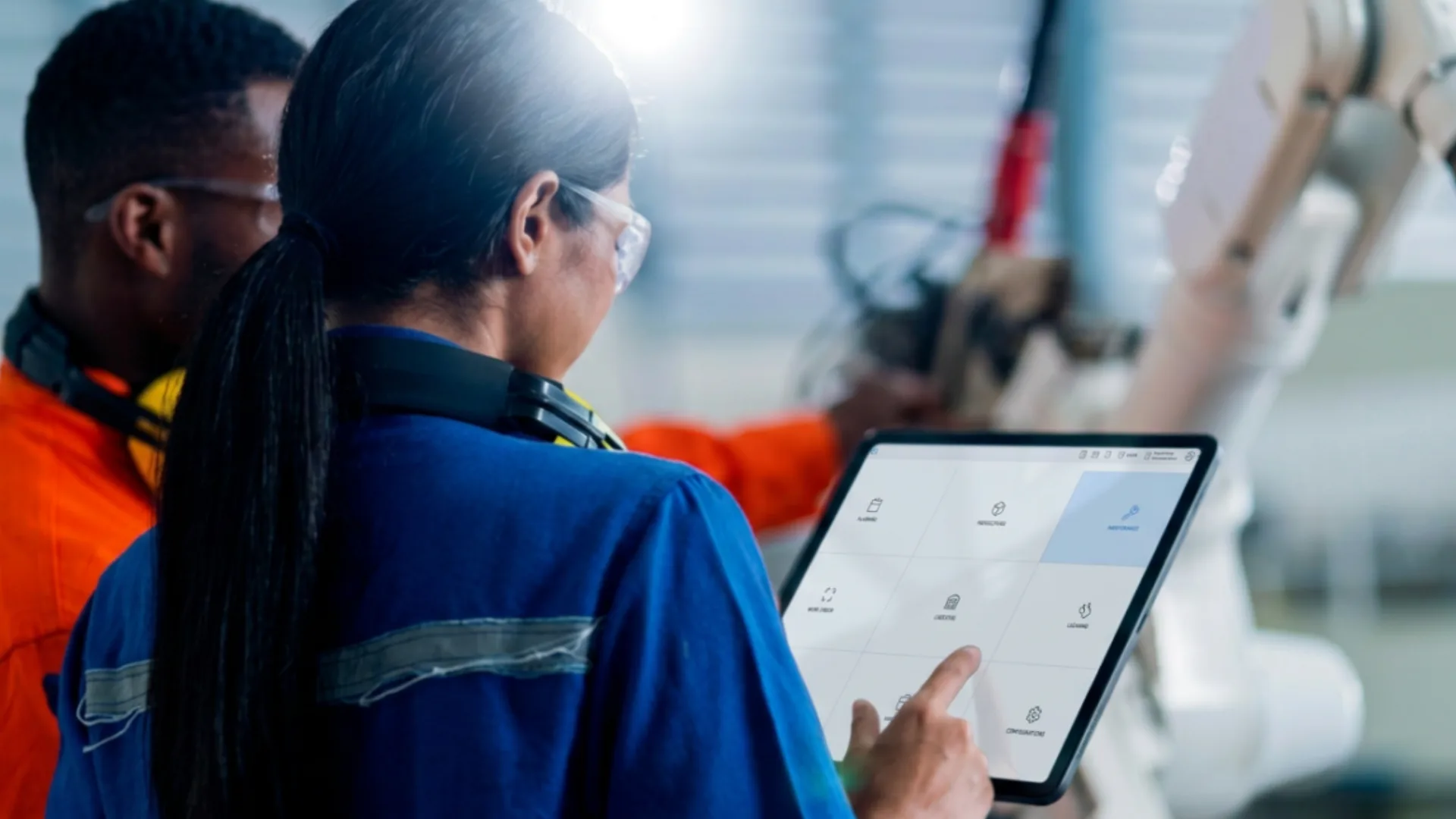
Manufacturing Execution Systems (MES) in 2030: Market Growth, Innovation, and Industry Impact

The MES Market: Strong Growth to 2030
Manufacturing Execution Systems (MES) are rapidly becoming the backbone of digital manufacturing. With increasing pressure on manufacturers to improve quality, increase productivity, and integrate smarter technologies, the global MES market is growing fast.
Recent industry projections estimate that the global MES sector could nearly double in size by 2030, with market value expanding from the mid $10 billion range in the early 2020s to between approximately $28 billion and over $40 billion by the end of the decade. This growth reflects continued investment in digitalization across industrial sectors.
Key Forces Shaping MES Demand by 2030
Several major trends are driving MES adoption and transformation through 2030:
1. Digital Transformation and Industry 4.0 Integration
The global shift toward connected, automated production is one of the biggest drivers for MES growth. Manufacturers seeking real time visibility across lines and sites are choosing MES platforms to unify data, control processes, and improve decision making speed. Technologies such as the Industrial Internet of Things (IIoT), artificial intelligence (AI), and big data analytics are increasingly integrated with MES solutions to deliver smarter, predictive and automated operations.
2. Cloud Adoption and Flexible Deployment Models
By 2030, cloud based and hybrid MES deployments are expected to outpace legacy on premises installations. Cloud models provide easier scalability, remote access, lower upfront cost, and faster updates, all critical benefits as distributed manufacturing and remote operations become more common.
3. Quality, Compliance, and Traceability Requirements
Industries like pharmaceuticals and aerospace face strict regulatory demands. MES platforms are no longer optional, they are essential for electronic batch records, traceability, audit preparedness, and quality enforcement. This compliance pressure will continue to boost MES spending through 2030.
4. Cybersecurity and Risk Management Challenges
With greater connectivity comes increased exposure to cyber threats. Manufacturers adopting smart systems must balance innovation with cybersecurity hardening. This is likely to influence MES design priorities, leading to more secure architectures by decade's end.
Technology Trends Transforming MES by 2030
The MES of 2030 will look very different from those of today. Several emerging technologies are expected to become standard:
Digital Twins and Virtual Process Models
Digital twin technology will allow manufacturers to create virtual replicas of equipment, production lines, and even entire plants. When combined with MES data streams, digital twins can simulate, optimize, and predict production outcomes, improving uptime and reducing waste.
AI Driven Optimization and Predictive Analytics
Artificial intelligence will enhance MES systems' ability to forecast quality issues, anticipate equipment failures, and recommend scheduling adjustments, turning shop floor data into strategic insight rather than just historical logs.
Mobile and Real Time Decision Tools
Manufacturers are increasingly relying on mobile dashboards, augmented reality insights, and remote alerts embedded directly into MES platforms to empower teams with real time intelligence.
What the MES Market Will Look Like in 2030
By the end of the decade:
- Market value will climb significantly, driven by broad digitalization and integration with cloud, AI, and IIoT technologies.
- Hybrid and cloud MES deployments will become the norm for manufacturers seeking flexibility and remote oversight.
- MES solutions will be embedded with advanced analytics and autonomous decision systems, shifting the role of MES from tracking operations to orchestrating intelligent production.
- Regulated industries such as pharma, medical devices, and aerospace will increasingly rely on MES for compliance, risk reduction, and traceability support.
Why RAILES MES Is Positioned for 2030 Success
Manufacturers aiming to stay competitive in the coming decade need MES platforms that are:
- Built for data driven decision making
- Fully scalable across cloud and hybrid architectures
- Integrated with AI, ML, and digital twins
- Secure and compliant with global regulations
RAILES MES is developed with these future priorities in mind. It is designed to support real time operations management, traceability, quality assurance, and global compliance, positioning it as a strategic platform for manufacturers navigating the next wave of digital transformation.
RAILES MES is not only ready for the challenges of today's manufacturing landscape but is built to evolve as the market grows toward 2030 and beyond.
See RAILES MES in action
Talk to our team and find out how a Manufacturing Execution System can improve your production.
Book a demo